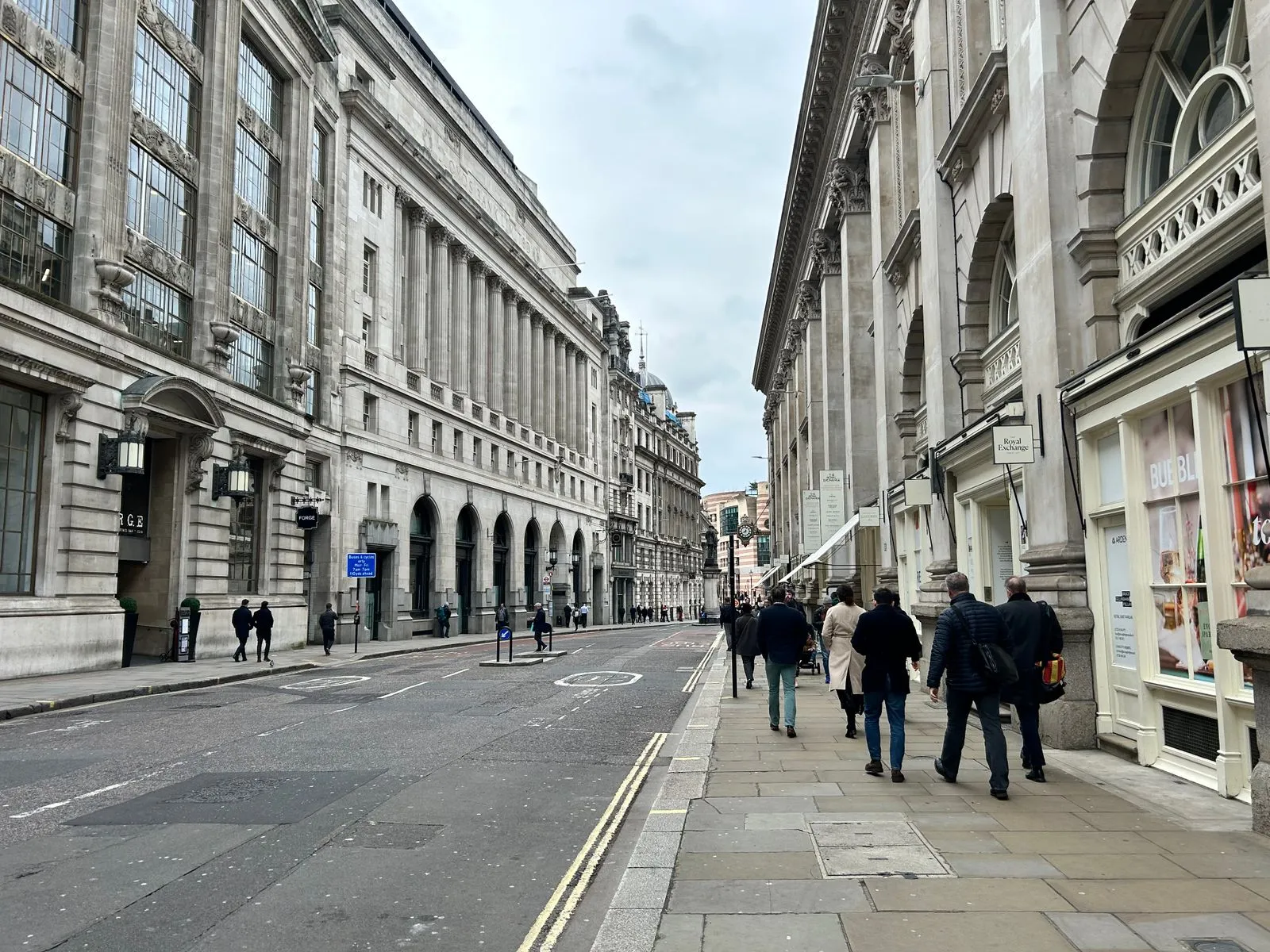
A full day exploring London can take you from broad pavements to cobbled lanes, busy stations, and sheltered galleries. The weather may shift while you’re out, so an outfit that works in layers is more useful than one built for a single forecast. Choose clothes that let you move comfortably, shoes that can handle hours on your feet, and a few compact essentials for rain or changing temperatures. A little preparation helps you focus on the city, not your outfit.
Start With Supportive Shoes
Choose well-worn walking shoes with cushioning, a secure fit, and a sole that grips when pavement is wet. Trainers, walking shoes, or comfortable low-profile boots can all work; prioritize fit over appearance. Avoid brand-new footwear, thin soles, and shoes that rub at the heel or toes. If you use orthotics, bring them, and wear the socks you expect to use on the day.
London routes can include uneven paving, kerbs, stairs, and stretches of hard pavement. Try your shoes on a longer walk before your visit, and check for hot spots afterward. If rain is likely, consider water-resistant footwear, but avoid heavy boots that feel tiring in milder weather. A spare pair of socks takes little space and can make a damp afternoon more comfortable.
Dress in Adaptable Layers
Build your outfit around a breathable base layer, a light insulating layer, and an outer layer you can remove or put on easily. A shirt or top under a cardigan, fleece, or thin sweater adapts well to changing temperatures. Choose fabrics that feel comfortable during movement and dry reasonably quickly if you get caught in a shower or work up a sweat.
A lightweight waterproof jacket with a hood is often more practical than carrying a large umbrella through crowded streets and entrances. Look for a jacket that allows you to move freely and fits over your middle layer. In cooler weather, add a scarf or thin gloves; in warmer months, pack a layer for breezy evenings or air-conditioned indoor stops.
Choose Practical Bottoms
Wear trousers or a skirt that allows a full stride and stays comfortable when you sit, climb stairs, or bend to check a map. Avoid restrictive waistbands and fabrics that become uncomfortable when damp. For skirts or dresses, consider shorts underneath if they help you move confidently through a long day. Secure pockets are useful for small essentials, but keep valuables protected.
Check the forecast before leaving and consider how the route might affect your clothing. After rain, hems can brush wet pavements, while exposed areas may feel chilly in wind. If you expect a long outdoor stretch, choose a practical length and bring tights or a warmer layer when conditions call for it. Comfort and ease of movement matter more than dressing for just one stop.
Pack Small Weather Essentials
Carry a compact day bag with water, any personal medication, and a portable charger if you rely on your phone for directions or tickets. A small umbrella can be useful when rain is light and streets are open, but a hood is easier to manage in crowds. Keep a foldable tote handy for purchases, and use a water-resistant pouch to protect electronics and documents.
Before setting out, check the forecast and plan for the conditions you may encounter later, not only the weather at departure. Apply sunscreen when needed, and consider sunglasses or a hat for bright spells. Keep your bag light: every extra item adds weight over a long walk. If you are joining a guided walk with London Passage, ask about the route so you can tailor your footwear and layers.
For a comfortable day on foot in London, wear tested shoes, dress in adjustable layers, and carry only the essentials for the forecast. These simple choices help you handle uneven streets, changing temperatures, and passing showers without overpacking. Check the weather before you leave, then make small adjustments to suit your route and plans.