
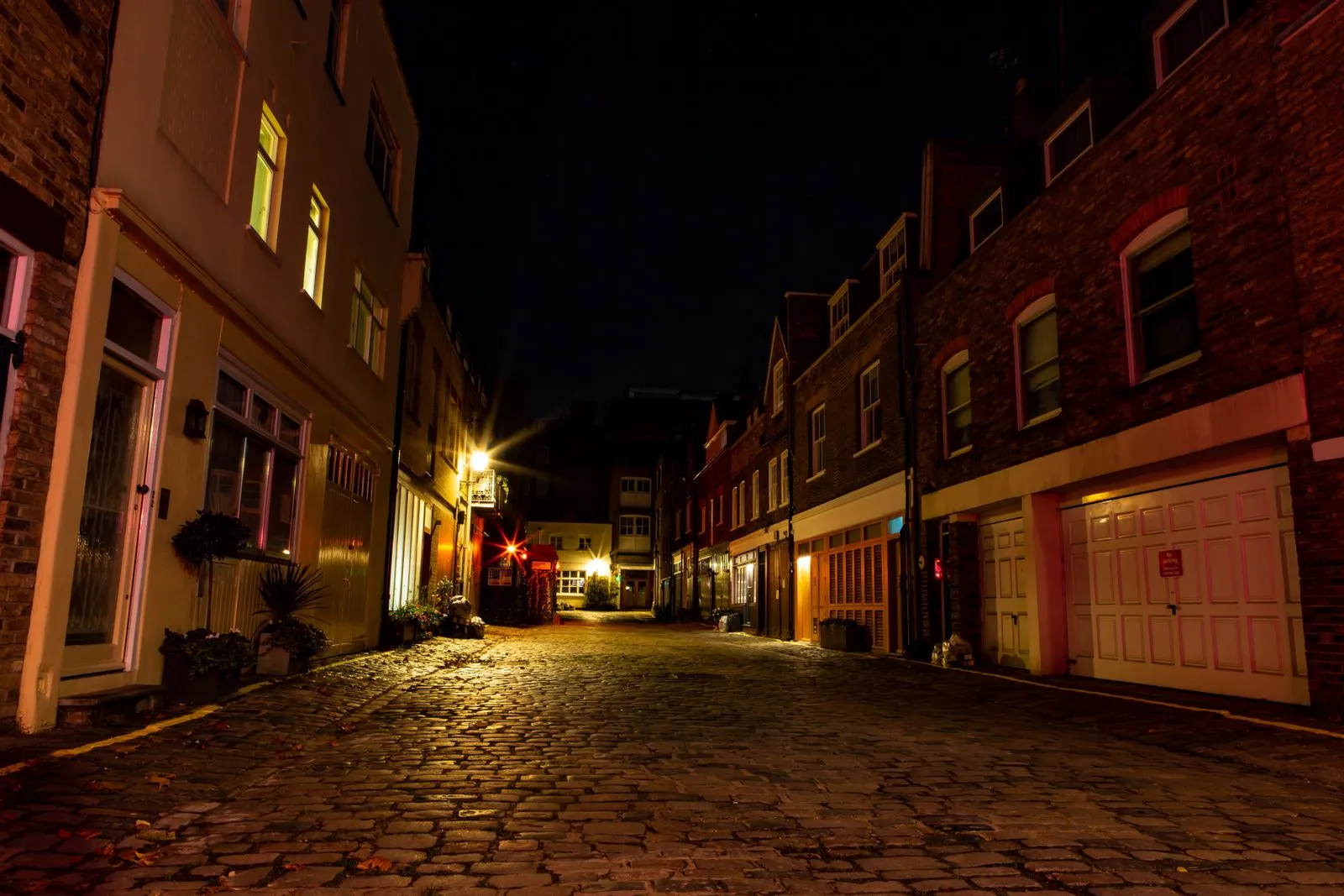
London’s celebrated landmarks tell an impressive story, but they are only part of the city’s history. A short walk from a famous cathedral, palace, or museum can reveal old lanes, churchyards, market streets, and fragments of earlier neighborhoods. These places help connect grand events with everyday life: where people traded, worshipped, worked, and made their way across the city. Add a few quieter stops to a landmark-focused visit, and London becomes easier to understand as a living, changing place.
Follow the streets between sights
Plan your route around the spaces linking major attractions, not only the attractions themselves. In the City of London, narrow lanes and passages sit among modern offices and historic churches. On foot, notice changes in street width, building materials, and street names. These details can hint at older property boundaries, vanished trades, or routes that survived the city’s rebuilding.
Choose one short stretch rather than trying to cover every historic corner. For example, after visiting a major church, take a slower route through nearby side streets before continuing to your next stop. Check a current map and opening information, since some passages cross private or restricted areas. Leave time to look around without blocking entrances or busy pedestrian routes.
Look for everyday history
Small sites often make history feel tangible. A churchyard may preserve memorials from earlier generations; a market street can show how commerce shaped a neighborhood; and a surviving pub, hall, or shopfront may offer clues to changing local life. Read plaques and public interpretation where available, but treat them as starting points. A place’s present use is also part of its story.
Pause to compare what you see with the nearby landmark. A grand civic building may represent authority, while surrounding streets reveal the businesses and homes that supported the district. Look for contrasts in scale, materials, and layout. Even a few minutes of observation can help you picture how different groups used the same part of London over time.
Use quieter stops to add context
A less-visited site can provide a useful pause between crowded attractions. Consider a small garden, a historic courtyard open to the public, or a lesser-known museum that fits your route. Confirm access, hours, and any entry requirements before setting out. Some places close for services, events, or maintenance, and not every attractive-looking courtyard is open to visitors.
Make the stop purposeful: connect it to a question raised by the main landmark. If you have seen a royal residence, look for nearby traces of the people who served it or lived beyond its walls. After a major museum, explore a surrounding street to see how the area changed with the institution. This simple link turns extra walking into a coherent visit.
Explore with care and curiosity
Historic streets are often part of active neighborhoods, not open-air exhibits. Keep noise low, respect residents and worshippers, and follow signs about photography or access. Use public paths, avoid touching fragile features, and give other pedestrians room. When a site is closed, appreciate its exterior from the public street rather than trying to enter.
A guide can help explain subtle details and connect places that might otherwise seem unrelated. London Passage offers guided walks for visitors who want a thoughtful route beyond the headline landmarks. Whether you explore with a guide or on your own, bring comfortable shoes, check local conditions, and leave space in your schedule for unplanned discoveries.
London’s quieter streets and small historic sites add depth to its best-known landmarks. Choose a few stops that fit your route, check access in advance, and take time to notice how the city’s layers meet. For a more connected view of the capital, consider exploring with London Passage or planning a gentle detour of your own.